
Dealing with a vehicle that has sustained significant damage can be a stressful experience for any Richmond resident. Whether the damage resulted from a sudden collision or is the culmination of mechanical failures over time, a non-functional car often becomes a source of frustration. The sight of a mangled fender or the sound of a seized engine serves as a constant reminder of a lost investment. However, a damaged car does not have to remain a permanent fixture in your driveway. By shifting your focus from repair to recovery, you can navigate the process of selling your vehicle to a professional buyer who specializes in end-of-life automotive recycling. Understanding the nuances of this market is the first step toward reclaiming your space and your peace of mind.
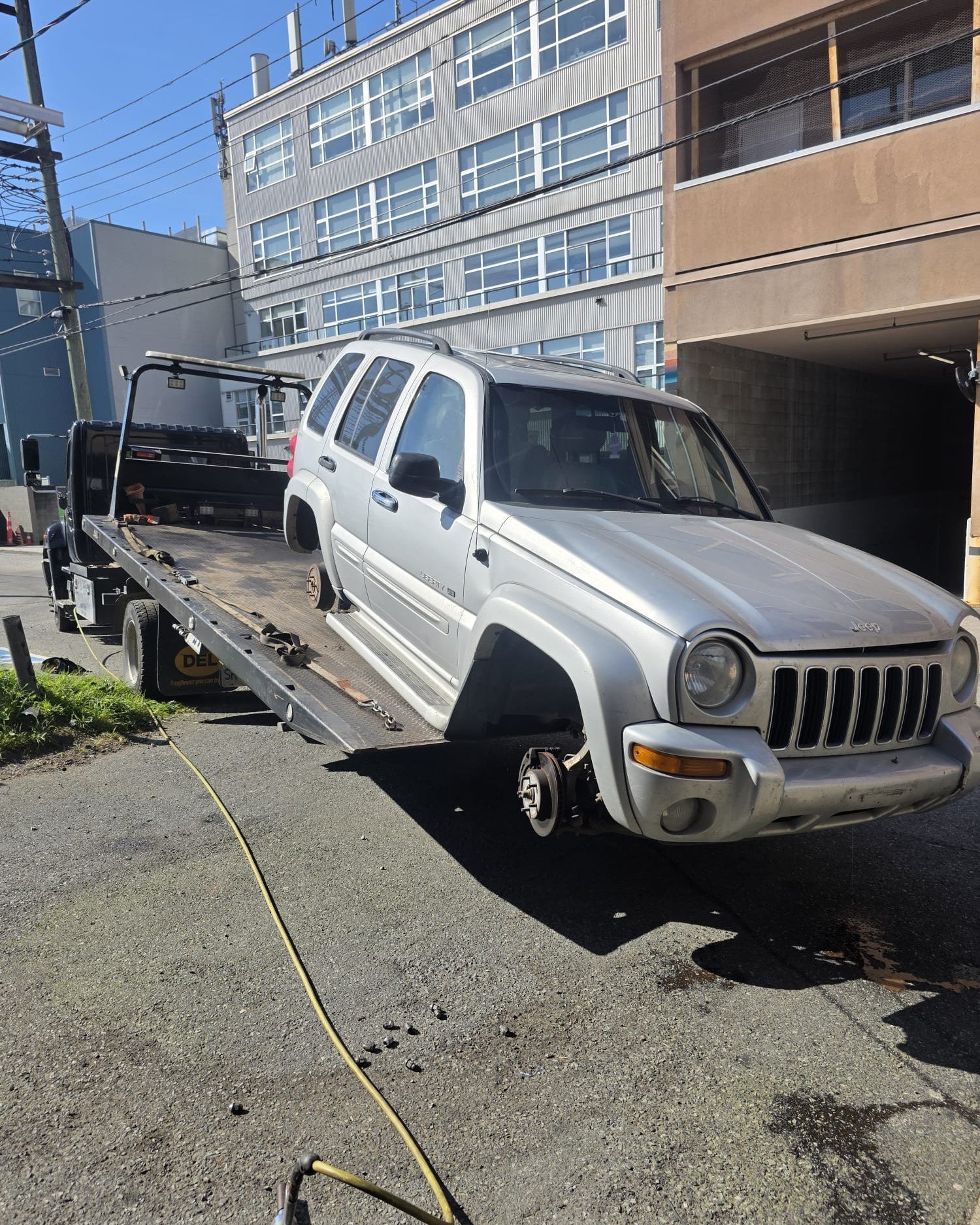
The transition from owner to seller requires a change in perspective. Instead of viewing the car as a mode of transportation that no longer works, it is helpful to see it as a collection of valuable materials and components. Even when a vehicle is no longer roadworthy, its weight in steel and the presence of specific recyclable parts hold intrinsic value. In a city like Richmond, where space is at a premium, finding a responsible way to dispose of a damaged car is essential. Engaging with a local buyer ensures that the vehicle is handled according to environmental standards, preventing hazardous fluids from entering the local ecosystem. This guide will outline the practical steps you should take to ensure your inquiry is handled efficiently and that you are prepared for the transition.
Evaluating the Condition of Your Damaged Vehicle
Before reaching out to a buyer, it is important to have a clear understanding of the vehicle’s current state. “Damaged” is a broad term that can range from minor cosmetic issues to total engine failure or structural compromise. When you contact Cash For Cars Richmond 236-243-5975, providing an accurate description of the damage allows for a more precise initial assessment. You should take note of whether the car is mobile, even if it cannot be driven safely on the road. For instance, does it still roll on its own wheels, or are the tires flat and the axles seized? This information is vital for the logistics of the removal process, as it determines the type of equipment needed to retrieve the vehicle from your property.
Essential Documentation for a Richmond Car Sale
To facilitate a legal and secure transaction, you must have the correct paperwork ready. Selling a car in British Columbia involves specific requirements to ensure that the transfer of ownership is recognized by the relevant authorities. Having these documents organized beforehand minimizes delays and ensures that you can complete the sale as soon as you receive a satisfactory offer. The primary document you will need is the vehicle’s registration. This proves that you are the rightful owner and have the authority to sell the vehicle. If you have misplaced your registration, it is advisable to contact ICBC or visit a local broker to obtain a replacement, although some buyers may have alternative methods for verifying ownership if the registration is unavailable.
Verifying Ownership and Identification
In addition to the vehicle’s registration, you will need to provide a valid form of government-issued photo identification. This is a standard security measure that protects both the seller and the buyer. It confirms that the person selling the vehicle is the same individual listed on the ownership documents. Whether you have a British Columbia driver’s license, a BC Services Card, or a passport, having it ready for inspection is a critical part of the process. If the vehicle is registered to multiple owners, or if you are selling it on behalf of an estate, additional documentation such as a death certificate or power of attorney may be required. Ensuring these details are handled correctly protects you from future liability and ensures the car is legally removed from your name.
Managing Insurance and Plates
Once the sale is finalized, you are responsible for managing the insurance and license plates associated with the vehicle. You should never leave your license plates on a car that you have sold. Before the tow truck departs, remove the plates so that you can return them to an ICBC broker. This allows you to cancel your insurance policy and potentially receive a refund for any remaining premium. It also ensures that you are not held responsible for any incidents involving the vehicle after it has left your possession. In Richmond, many sellers find that coordinating the plate removal with the buyer’s arrival is the most efficient way to handle this step. The buyer will typically wait for you to secure your plates before loading the vehicle onto the flatbed.
How to Prepare a Damaged Car for a Richmond Inquiry
When you are ready to move forward, knowing How to Prepare a Damaged Car for a Richmond Inquiry will streamline the entire experience. The first step in this preparation is to perform a thorough sweep of the vehicle’s interior. Over years of ownership, personal items tend to accumulate in the most unlikely places. Check the glove box, the center console, and the pockets behind the seats. Do not forget to look under the floor mats and in the trunk, especially in the spare tire well. Common items left behind include sunglasses, garage door openers, charging cables, and even important documents that might be tucked away in the sun visors. Once the vehicle is loaded and taken to the yard, retrieving these items becomes much more difficult, so a final check is essential.
The Business Model of Professional Car Buyers
Professional buyers in this industry focus on the acquisition and recycling of vehicles that are no longer suitable for the retail market. The business buys unwanted vehicles or equipment and does not sell used parts. This distinction is crucial for sellers to understand, as it defines the scope of the interaction. You are not dealing with a traditional auto wrecker where people browse for components; instead, you are working with a company that manages the entire lifecycle of the vehicle’s disposal. This streamlined approach allows for faster service and more consistent offers, as the buyer’s focus is on the aggregate value of the vehicle’s materials rather than the individual resale of its parts.
Finalizing the Sale and Receiving Payment
The final stage of the process occurs when the buyer arrives. At this point, the verbal or text-based quote you received during your inquiry is confirmed through a physical inspection. As long as the vehicle matches the description you provided, the transaction proceeds quickly. One of the most significant advantages of working with a reputable buyer like Cash For Cars Richmond 236-243-5975 is the immediacy of the payment. You should expect to receive the full amount in cash at the time of pickup. This eliminates the risks associated with personal checks, bank drafts, or delayed electronic transfers. Having the cash in hand before the vehicle is even loaded provides a level of security and satisfaction that is hard to find in other types of private sales.
Conclusion: Reclaiming Your Space in Richmond
Selling a damaged car is often the final chapter in a vehicle’s story, and doing it right ensures that the ending is a positive one for the owner. By taking the time to evaluate your car’s condition, gather the necessary documentation, and prepare the vehicle for removal, you set the stage for a successful transaction. The convenience of a local Richmond service means that you don’t have to worry about the logistics of towing or the uncertainty of finding a buyer on your own. Instead, you can rely on a professional process that values your time and provides a fair return for your unwanted vehicle. As you look out at your empty driveway, you will realize that the effort spent on preparation was well worth the reward of a simplified, cash-positive resolution.