
Retiring an end-of-life car is not only a question of arranging its sale or removal. For a Richmond owner, the licence plates and Autoplan policy need their own plan. Separating those administrative steps from the conversation about an unwanted vehicle can make the handoff clearer, especially when the car is no longer driven, is a business asset, or is parked somewhere other than the owner’s usual address. Call 236-243-5975 to discuss your vehicle.
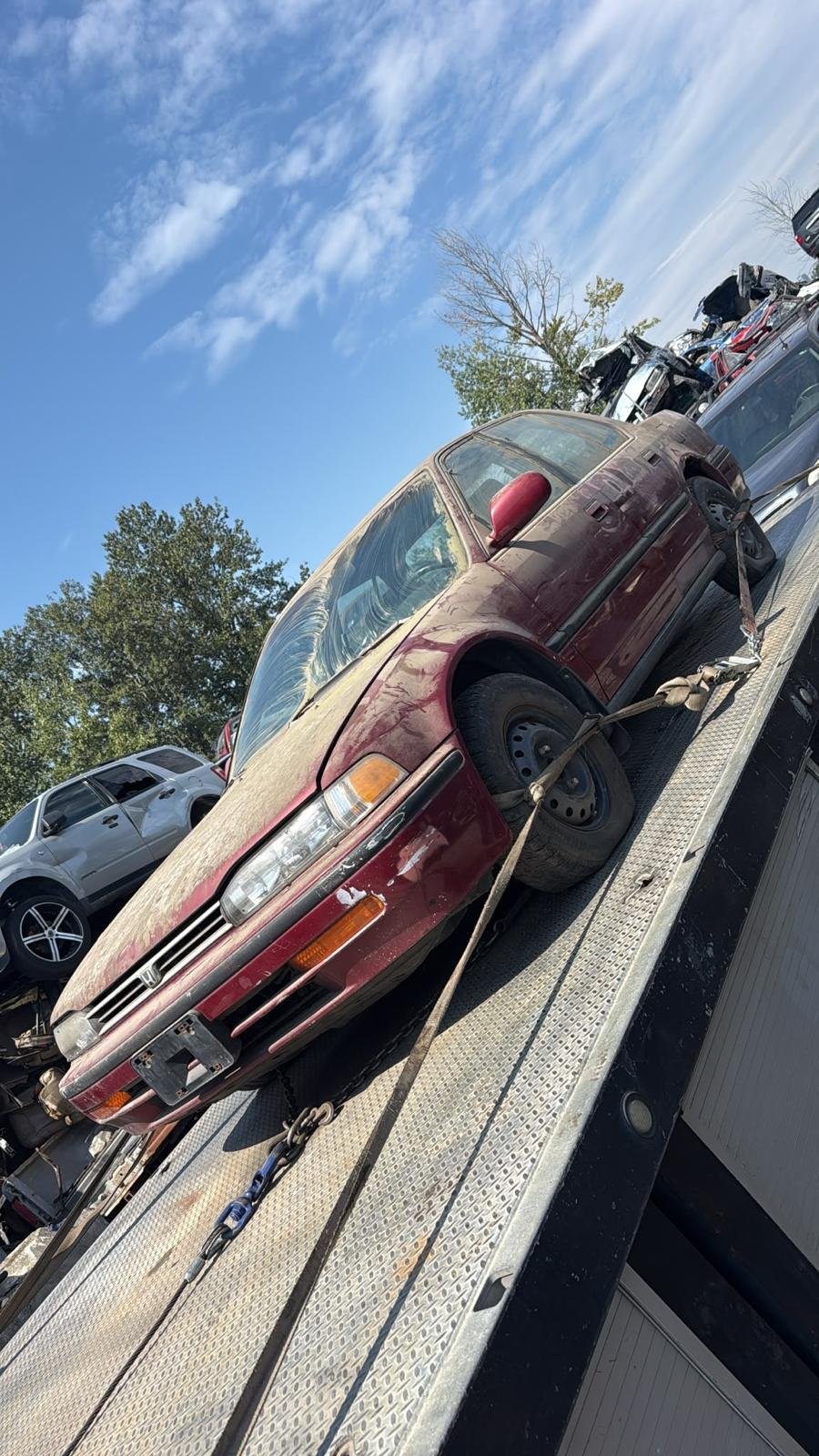
This guide focuses on the Richmond scrap car plate return question: what to keep with you, when to speak with an Autoplan broker, and how to record the outcome after you decide to retire the vehicle. It is a seller-focused checklist, not advice to repair, part out, or shop for vehicles. The exact details of a sale, removal arrangement, and insurance cancellation can differ, so an owner should confirm their own timing with ICBC or an Autoplan broker.
Start by separating the vehicle decision from the plate decision
An end-of-life vehicle may be ready to leave a Richmond driveway, commercial yard, or parking space, but its licence plates should not become an afterthought. Before you finalize an arrangement, identify where the current plates are, locate the owner’s certificate, and decide who will retain the documents. This is useful for a single personal vehicle and for a company that is retiring one unit from a small fleet.
The plates are tied to the insurance policy, rather than being a general item to leave with a vehicle. ICBC states: Any time you cancel your insurance, you have to return the plates, including personalized ones, to your Autoplan broker. That wording is particularly important when a vehicle has personalized plates or when more than one person assumes someone else will deal with the paperwork.
For an unwanted car, this creates a practical order of operations. First, establish whether the car still needs to be driven or moved under its current coverage. Next, keep the plates and insurance paperwork available while you make the sale or removal decision. Then arrange the insurance cancellation at the appropriate time with the broker. A vehicle buyer can discuss the vehicle and access details, but the owner remains responsible for making decisions about their own ICBC policy and plate return.
Prepare for the Autoplan broker visit
Autoplan insurance is handled through brokers across the province. This is not a Richmond-only process, but it is locally relevant because a Richmond owner can use the provincial broker network rather than treating the insurance question as part of the vehicle transaction. ICBC explains: ICBC’s Autoplan insurance is sold through our province-wide network of 900 Autoplan brokers. Contacting a broker directly is the reliable way to confirm the materials needed for your policy and the date you want the cancellation to take effect.
Set aside the owner’s certificate with the plates before the vehicle is collected or moved. If the vehicle is owned by a business, make sure the person handling the retirement has access to the organization’s relevant records and knows who is authorized to deal with the policy. If it is jointly owned, do not assume one owner can complete everything without checking the requirements.
ICBC’s cancellation page gives a specific document detail: Owner’s certificate (insurance and registration) – if the vehicle is jointly owned, both owners will need to be present. Use that as a prompt to check names on the certificate early. It can prevent a situation where the vehicle has already been retired but the policy cancellation must wait because the required owner or document is unavailable.
Keep a simple record for your files
After your broker visit, retain the documents and any cancellation record you receive in a secure place. For a commercial owner, it can also help to note the vehicle identification number, unit number, date the vehicle left service, the policy cancellation date, and the person who completed the broker visit. This is ordinary internal recordkeeping, not a statement about a buyer’s downstream process.
For a personal owner, a shorter note can be enough: record the date you surrendered the plates, the broker location or contact, and where the owner’s certificate is stored. These notes can help distinguish a completed administrative step from an unfinished task, particularly if a family member, bookkeeper, or another authorized person is helping with the retirement.
Choose the cancellation timing with care
A plate return and insurance cancellation are administrative actions with financial implications. ICBC says the sooner a policyholder cancels their licence plates and insurance, the more they may receive back if eligible for a refund, and it also notes that a cancellation fee may apply. Eligibility and amount depend on the individual policy, time remaining, outstanding debt, and non-refundable fees; no vehicle buyer can determine that result for you.
That is why it is sensible to decide in advance whether the vehicle must remain insured until a particular movement or handoff is complete. Do not treat a general article as a substitute for a broker’s advice about your own coverage. If the vehicle is connected to a claim, lease, loan, business accounting record, estate, or shared ownership, take the additional time needed to verify what should happen before cancelling.
Payment-plan customers have a separate timing point to review. ICBC states: If you’re on a payment plan, cancel at least one day before your payment is due. Put the payment due date alongside the planned vehicle-retirement date when you speak with your broker. This is not a promise about a refund or a payment outcome; it is a reason to ask questions before a scheduled withdrawal arrives.
Communicate clearly when arranging a Richmond vehicle sale
When you contact Cash For Cars Richmond about an end-of-life vehicle, describe the vehicle’s location, whether it runs, the ownership situation, and any access limitations that could affect the conversation. You can also say that you are organizing the ICBC plate return separately. Keeping the two tracks clear helps you avoid casually sending away a document or plate that you need for the broker visit.
Before the vehicle leaves, remove personal belongings and business materials, including garage remotes, access cards, paperwork unrelated to the ownership record, and electronic devices. Keep the owner’s certificate and licence plates together in a safe place. If plates are lost or stolen, ICBC’s cancellation guidance says to bring the police file number instead; discuss your circumstance with the broker rather than improvising a replacement step.
Do not make assumptions about recycling methods, resale channels, facility operations, or the later handling of a vehicle. A seller can ask for clear information about the transaction and keep their own records. The administrative obligation to manage the owner’s policy, plates, and documentation remains a separate matter.
A practical closing checklist
- Confirm the vehicle is ready to be retired and whether it needs insurance until the planned handoff.
- Locate the licence plates and owner’s certificate before arranging the next step.
- Check whether the certificate shows joint ownership or whether a business requires an authorized representative.
- Contact an Autoplan broker to confirm the cancellation process and timing for your specific policy.
- Keep a dated record of the broker visit, plate return, and any cancellation documentation.
- Tell the vehicle buyer that you are handling plates and Autoplan administration separately.
For a seller-focused conversation about retiring an unwanted or end-of-life vehicle in Richmond, contact Cash For Cars Richmond at 236-243-5975. We do not sell used parts. Call to discuss your vehicle’s basic details and your intended timing, while you keep control of your ICBC plate return and Autoplan steps.