
Navigating Unwanted Vehicle Retirement in Steveston and Greater Richmond
Richmond, British Columbia, occupies a truly unique geographic footprint within the Lower Mainland. Situated primarily on Lulu Island and Sea Island at the delta of the mighty Fraser River, the city is shaped by an intricate network of waterways, river channels, and coastal tides meeting the Pacific Ocean. Among Richmond’s numerous distinct communities, the historic waterfront village of Steveston stands out for its rich maritime heritage. Once renowned globally as Salmonopolis during the peak of the 19th- and 20th-century salmon canning era, Steveston today preserves its storied past through celebrated landmarks such as the Britannia Shipyards National Historic Site, the Gulf of Georgia Cannery, and expansive scenic green spaces like Garry Point Park.
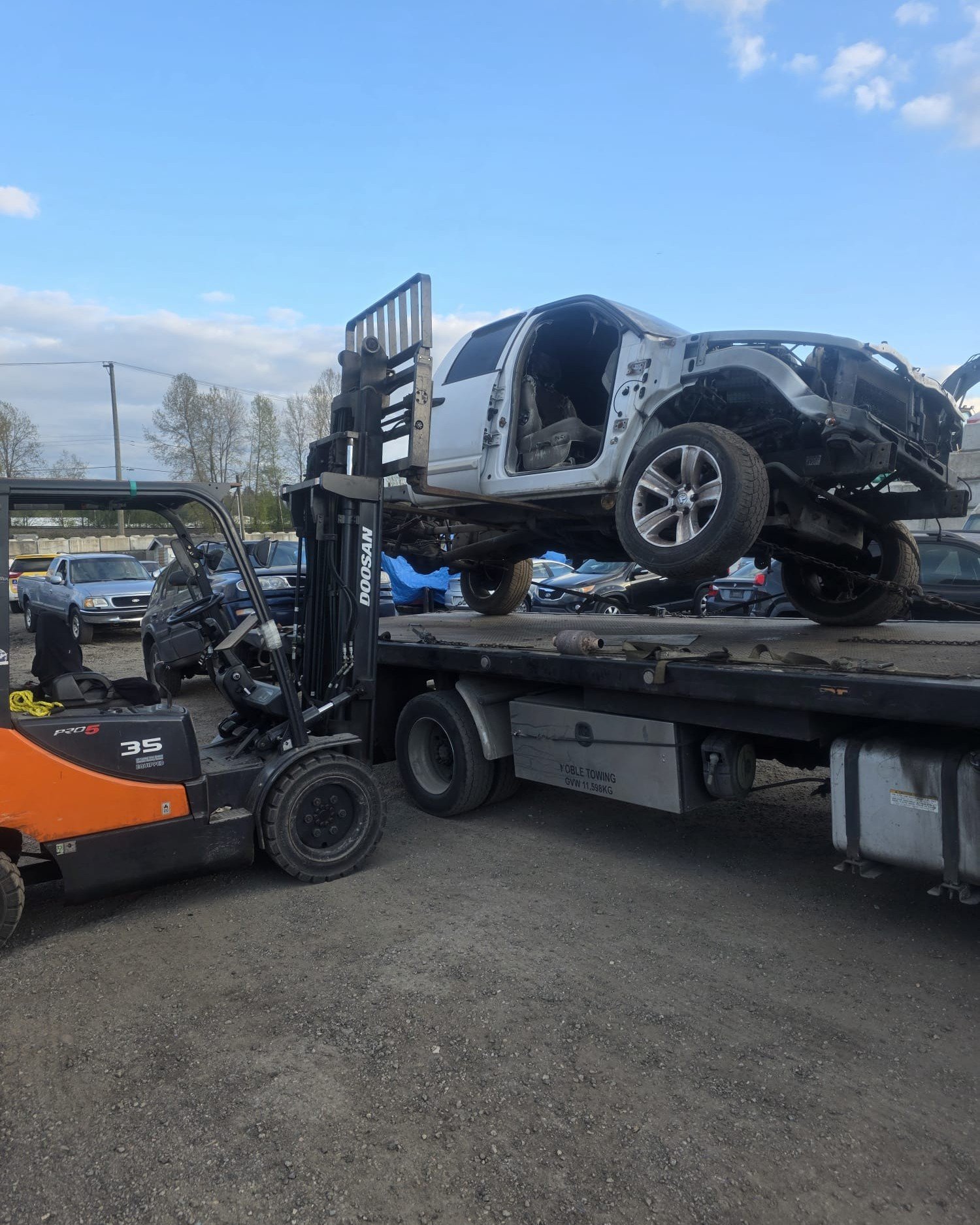
Because Richmond’s flat terrain and expansive suburban layout rely heavily on connected roadways, causeways, and bridges—linking Lulu Island to Vancouver, Delta, and beyond—automotive transportation remains an integral part of daily life for residents. Families and professionals alike depend on reliable vehicles to navigate cross-city commutes, local errands, and recreational outings. However, vehicle ownership inevitably reaches a juncture where an older car, truck, or SUV surpasses its functional lifespan. When major mechanical failures accumulate, repairing an aging vehicle often becomes economically impractical and mechanically unfeasible.
For residents living throughout Steveston and surrounding Richmond micro-areas, retiring an unwanted vehicle requires careful thought. Abandoning or improperly storing an old automobile can occupy driveway or garage space and may create environmental concerns if fluids leak. Owners can compare their available options and ask an appropriate vehicle buyer or processor about the commercial and handling details for their particular vehicle.
Geographic and Municipal Context: Life on Lulu Island
Understanding the context of vehicle retirement in Richmond requires appreciating the city’s distinct environmental and municipal landscape. Encompassed by the north and south arms of the Fraser River, Richmond is characterized by rich alluvial soil, low-lying topography, and a strong commitment to environmental sustainability. The City of Richmond has long implemented progressive policies focused on watershed protection, green space preservation, and sustainable urban mobility. Complementing road transit, the Canada Line rapid transit system offers residents robust public transit alternatives, making it easier to transition away from maintaining secondary or non-functional vehicles.
However, when a primary or secondary vehicle breaks down beyond repair in neighbourhoods ranging from Steveston and Terra Nova to Brighouse, Hamilton, and Ironwood, owners face the practical challenge of physical removal. Vehicles left stationary for extended periods are exposed to coastal moisture, weathering, and environmental wear. Addressing an unwanted car promptly helps maintain neighbourhood neatness and prevents potential fluid leaks that could compromise local soil or storm drainage systems.
Furthermore, navigating municipal streets and tight residential laneways in historic neighbourhoods requires localized logistical awareness. Owners should describe the exact parking location, nearest cross street, and any access limits when asking a vehicle buyer about their options.
The Specialized Business Model: Purchasing Unwanted Vehicles Without Retail Parts Sales
The automotive recycling and acquisition sector encompasses different business models. Cash For Cars Richmond states that it buys unwanted vehicles. It does not sell used parts. Readers seeking a replacement component should contact an appropriate parts retailer instead. Vehicle owners should ask the business directly about the terms that apply to their own vehicle.
Vehicle owners considering retiring an older car should understand that commercial terms, including vehicle valuation, scheduling logistics, and removal arrangements, are never uniform. Every automobile possesses a distinct history, mileage count, structural condition, and geographic location within the municipality. Consequently, vehicle owners are encouraged to communicate directly with commercial representatives to discuss their specific circumstances and obtain exact information tailored to their unique situation.
Practical Preparation Steps for Vehicle Retirement
Documents and access notes
Transitioning away from an unwanted or non-operational vehicle involves several important administrative and physical steps. Taking a methodical approach ensures that the process proceeds without unnecessary complications:
- Verify Documentation: Confirm that you hold clear, valid registration and proof of ownership papers for the vehicle in question.
- Remove Personal Effects: Thoroughly inspect the interior, glove compartment, trunk, and storage bins to ensure all personal belongings, insurance papers, and garage door openers are retrieved.
- Address Provincial Registration: Fulfill all mandatory provincial requirements regarding insurance cancellation and license plate returns through organizations such as the Insurance Corporation of British Columbia (ICBC).
- Evaluate Physical Accessibility: Assess where the vehicle is currently parked—whether in a residential garage, a shared parking stall, or a private driveway—to determine access routes for removal equipment.
- Initiate Direct Inquiries: Contact a vehicle buyer directly to discuss the specific attributes of your vehicle and ask questions regarding commercial procedures and scheduling logistics.
Executing these preparatory steps provides clarity for a conversation about an unwanted vehicle. Keeping your notes available can also help you compare information across providers without relying on generalized claims about price, timing, or access.
Promoting Responsible Automotive Management in Richmond
As Richmond continues to grow as a dynamic coastal city balancing urban density with ecological preservation, responsible resource management remains a community priority. Retiring obsolete vehicles through established acquisition channels prevents abandoned metals from accumulating in backyards or unregulated spaces. Residents throughout Steveston and greater Richmond who take proactive steps to retire damaged or unwanted cars contribute to cleaner, more orderly neighbourhoods.
When seeking assistance with an unwanted vehicle, transparency and direct communication are important. Vehicle owners should avoid relying on generalized online assumptions and instead ask the business directly about commercial procedures, scheduling flexibility, and documentation requirements.
To discuss your specific vehicle retirement needs or to inquire about commercial details with Cash For Cars Richmond, reach out to the team directly today at 236-243-5975.