
Richmond Private-Parking-Lot Towing Authorization for an Inoperable Vehicle Call 236-243-5975 to discuss your vehicle.
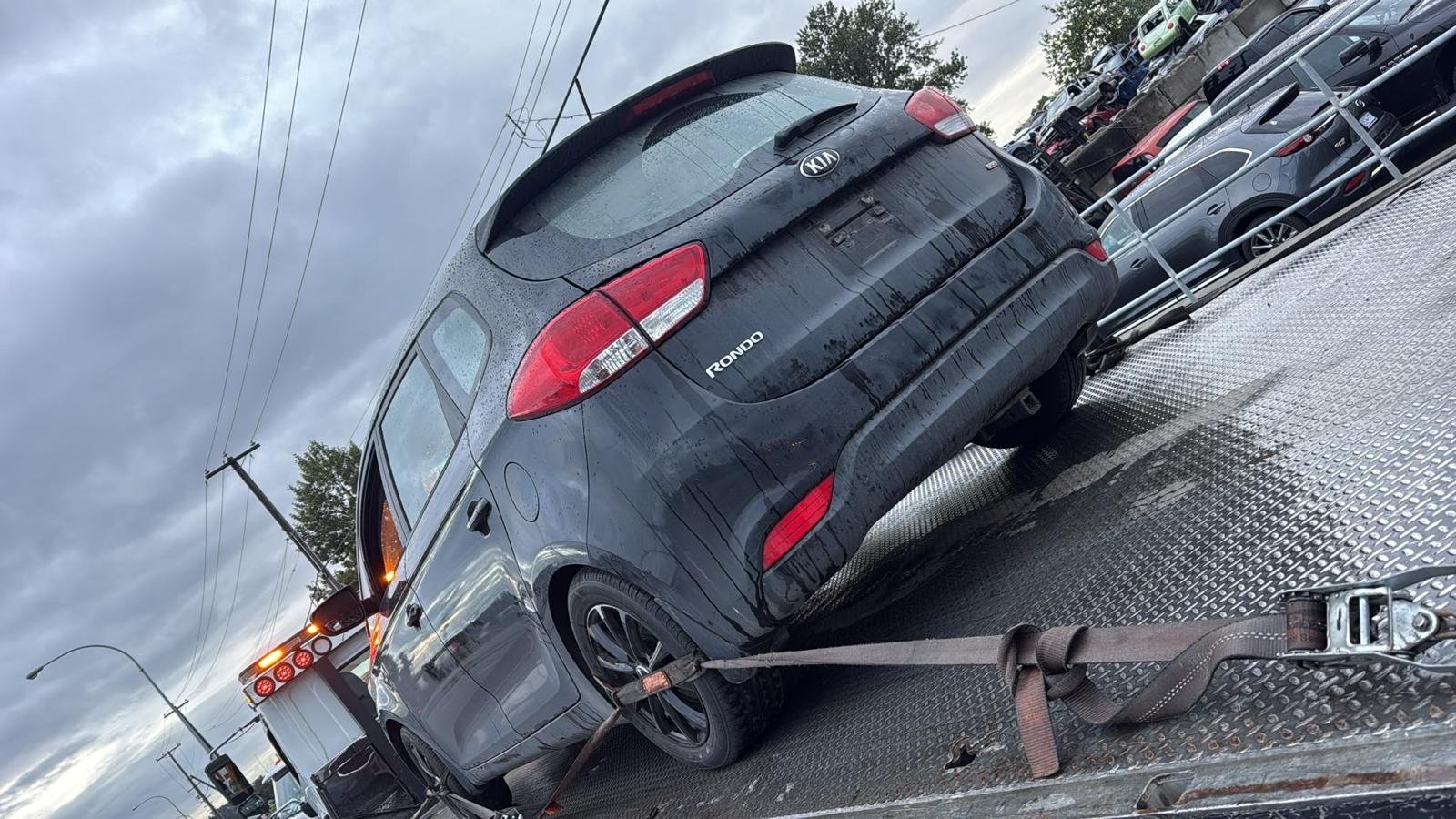
An inoperable car can remain on a Richmond driveway, strata stall, or other private site while you decide what to do with it. The fact that the vehicle is on private property does not make every parking or removal question disappear. The property owner, strata, landlord, and vehicle owner may each have a different role, and the arrangement can become more complicated when a car blocks access, occupies a marked stall, or is left in a place controlled by posted parking rules.
This guide is for Richmond sellers who are considering disposal of a non-running vehicle. It explains the local parking context without treating a municipal rule as a valuation or removal promise. If the vehicle is jointly owned, leased, part of an estate, or connected to a claim, confirm the appropriate paperwork with the relevant party or an Autoplan broker before making a transfer.
Private property still has a parking framework
Richmond’s official towing guidance states that towing a vehicle off private property requires a City-issued Towing Permit and standard signage. That is a rule about authorized towing from private property; it is not permission for a vehicle owner to remove someone else’s car or a reason to assume that an inoperable vehicle can be left indefinitely.
Start by identifying who controls the space. A single-family driveway, a strata parking stall, a rental property, and a commercial lot can have different agreements and posted conditions. Check the lease, strata rules, stall assignment, or written permission that governs the space. If the car is on someone else’s property, obtain clear consent for access and any vehicle movement. Keep the conversation focused on the vehicle’s current condition and the intended handoff rather than describing a municipal outcome that has not been confirmed.
Marked stalls, access routes, and signs matter
Private parking-lot rules can affect an unwanted vehicle even when it is not running. Richmond’s Private Parking Lot Towing Regulations say property owners or their authorized agent must seek and receive City approval before commencing towing activities on a private parking lot, subject to stated exemptions. The same page identifies no-parking areas kept clear for emergency vehicle access, emergency pedestrian exit routes, or garbage-disposal vehicle access.
The City’s regulations also say a no-parking area must be clearly marked with yellow paint on the curb or roadway, or by another clearly visible means. A tow-away sign must indicate that vehicles parked there will be towed and provide the towing company’s name and telephone number and the destination of the towed vehicles. These details are useful context for a seller whose non-running car is sitting in a marked access area or a managed parking lot: do not assume that a stalled vehicle is exempt from posted controls.
For a vehicle that is simply occupying an ordinary private stall, the practical question is authorization. Confirm that the stall belongs to the household or unit, that the vehicle is not blocking a roadway or fire lane, and that any temporary permission is still valid. Take care not to move an inoperable vehicle onto a public lane or sidewalk merely to clear a private space. Public-property removal is a separate matter, and the City says an unlawfully occupying vehicle may be removed to an impound lot at the owner’s expense.
Separate storage decisions from disposal paperwork
Private-property parking context and ownership transfer are related but not identical. Moving a car off a driveway does not itself transfer ownership. Before discussing disposal, locate the vehicle’s registration and confirm who is recorded as the registered owner. If the registration is not in your name, pause and resolve that issue with an Autoplan broker or the appropriate owner.
ICBC’s seller guidance says the registered owner should be able to provide the signed registration document, APV250, proving registered ownership. For an official transfer, ICBC lists the original signed insurance and vehicle registration and a completed Transfer/Tax Form, APV9T, with original signatures. Those are administrative requirements; they should not be replaced by a verbal statement that the vehicle is “abandoned” or “scrap.”
If the car is uninsured or unlicensed, do not treat a private driveway as a place to conduct an unplanned test drive. ICBC notes that an uninsured and unlicensed vehicle requires a Temporary Operating Permit from an Autoplan broker if a potential buyer needs to take it for a test drive. An owner who is arranging disposal can instead explain that the vehicle does not run, cannot be driven normally, or needs to remain stationary until an agreed handoff.
Make the site description factual
A short, accurate description helps keep a private-property conversation clear. Record whether the car is in a driveway, enclosed garage, strata stall, lane-access area, or commercial lot. Note whether the surface is level, whether a gate or overhead clearance limits access, and whether the vehicle can roll, steer, or be moved. These observations describe the site; they do not guarantee that a particular truck, tow method, appointment, fee, or completion time will be available.
- Identify the legal owner or authorized decision-maker for the vehicle.
- Confirm permission from the property or stall controller before access is arranged.
- Describe the vehicle’s position relative to marked stalls, fire lanes, emergency routes, gates, and garbage access.
- Keep keys, registration papers, and any lien, estate, lease, or claim information together for the person handling the transaction.
- Ask the City or property manager directly if you need a ruling about a bylaw, posted restriction, or private-lot enforcement question.
Richmond’s parking page identifies the Community Bylaw Department at 6911 No. 3 Road, Richmond, BC, and provides official contact information for parking-ticket clarification. A bylaw office or property manager is the right source for a site-specific interpretation. A vehicle buyer or removal contact should not be presented as a substitute for municipal advice, strata approval, or legal guidance.
Plan the handoff without overstating the outcome
Once the property question and ownership question are clear, you can describe the vehicle to a prospective buyer or removal contact. Include the make, model, approximate year, licence plate or VIN if appropriate, running condition, visible damage, and exact private-property setting. Explain whether the vehicle is in a stall, behind a gate, on a slope, or close to a wall. If the vehicle is under an insurance claim or belongs to an estate, say so before agreeing to next steps.
After a sale or other disposal arrangement, follow the official ICBC process that applies to the transaction. ICBC instructs sellers to remove licence plates, remove insurance and registration, complete and sign the Transfer/Tax Form after being paid, and bring the registration and form to an Autoplan broker. ICBC also states that licence plates remain its property and must be returned to ICBC or an Autoplan broker when no longer needed. Those instructions concern the seller’s records and registration status, not a promise about what another party will pay or how the vehicle will be processed.
For a Richmond private-property vehicle discussion, keep the boundaries clear: confirm permission for the space, respect marked access areas, verify ownership, and describe the vehicle honestly. If you would like to discuss the vehicle’s location and condition with Cash For Cars Richmond, call 236-243-5975. Bring the relevant ownership information to the conversation and ask questions about the proposed handoff. We do not sell used parts.